
Browse this site's news, projects, and people highlights via any of the topics in the dropdown list or below each content description.
Select a Topic:
PROJECTS

Legacy
COVID-19 Operations
LivIT tackles challenges of workforce safety, telecommuting, cyber security protocols, National Ignition Facility software updates, and more.
Legacy
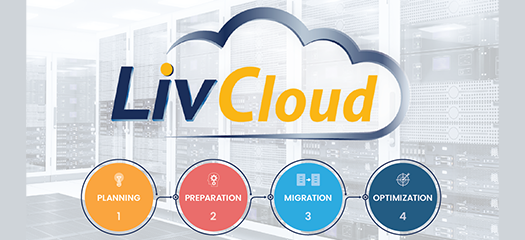
LivCloud
The Livermore Information Technology (LivIT) program is the first organization at LLNL to commit to migrating all services and applications to the Amazon Web Services cloud.

Deterrence in Cyberspace
LLNL’s cyber programs work across a broad sponsor space to develop technologies addressing sophisticated cyber threats directed at national security and civilian critical infrastructure.
PEOPLE

Patrick Craig
When Patrick Craig joined LLNL in April 2021, he welcomed the opportunity to engage with employee resource groups (ERGs) he identifies with and reconnect with his own identities.
Bradley Rodrigues
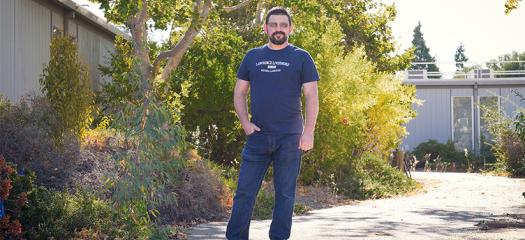
Bradley Rodrigues has been a member of the Livermore Information Technology’s (LivIT) deployment team since August 2022. Despite not being able to hear or speak, he has found that his IT background…

Keith Downs
IT manager Keith Downs has always been tinkering with computers, and much of his adult life has been shaped by his childhood interests.
NEWS
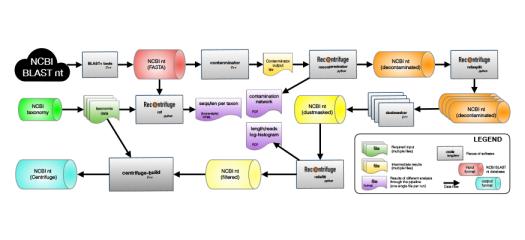
New nucleotide database could improve microbe identification for science and medicine
LLNL researchers have created new, optimized indices of the nt database that simplify how scientists classify microorganisms found in various samples, significantly improving the ability to identify and understand the myriad microorganisms that inhabit our world.

Advancing cybersecurity for advanced threats
Livermore’s Cyber Security Program has adopted new cloud-based tools and created others to protect the Laboratory’s enterprise system from cyber threats.
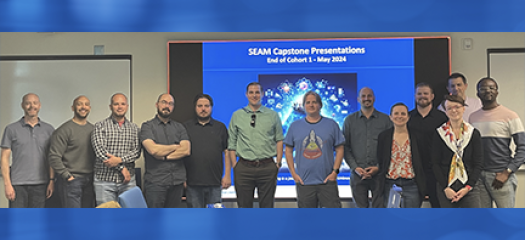
ISCP projects make machine learning advantages tangible
To keep employees abreast of the latest tools, two data science–focused projects are under way as part of Lawrence Livermore’s Institutional Scientific Capability Portfolio.